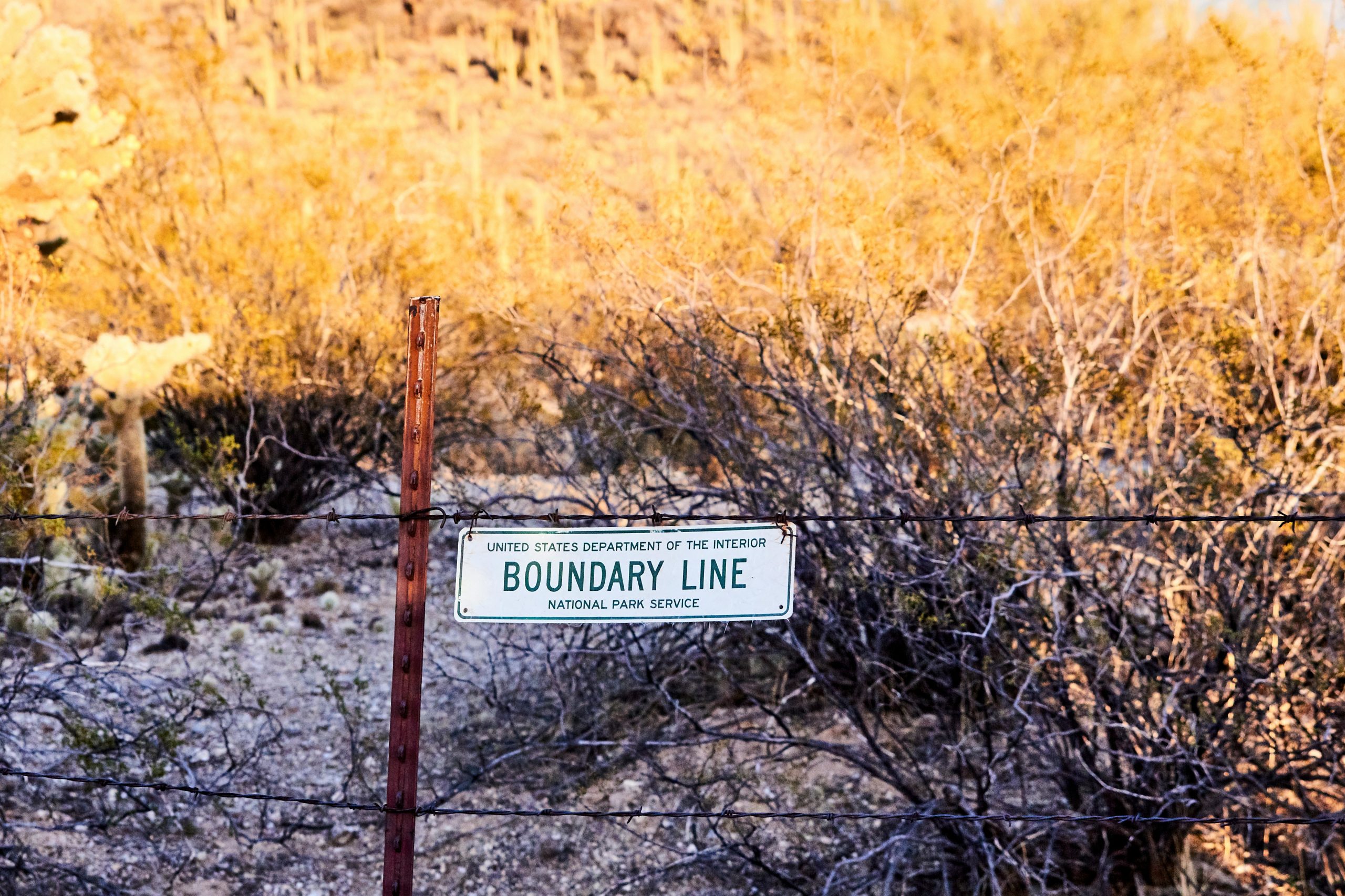
Going no contact comes up a lot in trauma, ptsd, and grief recovery work.
Why?
Because all too often, our perpetrators are people we know. People we love and have loved. People with whom we share blood and commitments and history.
I know this all too well, as I am a survivor of childhood sexual abuse by my father and was not protected by my mother. To my knowledge, there are many people in my extended family who do not believe that I experienced abuse in my childhood home.
This issue especially comes up around Mother’s Day and Father’s Day, and as I write this, it is the end of April, so…right on time.
My Experiences with Going No Contact

I last saw my father on an August night in 1992. I was 17 years old and working at my local Wendy’s drive-thru window.
Three months before that (May 1992), my father had been arrested by military police as he arrived back in the United States from an overseas assignment. While he was overseas, I had reported him for sexual abuse. He was let go after a short time and was not prosecuted for his crimes. To this day, I do not know the details of those decisions.
Two months later (July 1992), my grandfather died, and in the chaos that followed, my mother took my father back into our home and he accompanied us to California for the funeral. During that trip, she told me that she was taking him back.
We came home from the funeral, and within a month, he had beaten my mother, packed up a variety of items, and left in my car. On his way out of town, he stopped by the Wendy’s drive thru not to say goodbye, but to ask me something about the computer that was shoved into the backseat of the car.
I have not seen him since.
In December 2007, I decided that I needed to go no contact with my mother for a time. I wrote her a letter to explain and requested a specific amount of time for her to not contact me. She immediately sent me a letter with a lot of cursing and insults. I have not seen or spoken with her since.
What to Think About Before Going No Contact
It’s fair to assume that I have a lot of Big Feelings about this – I do, personally and professionally.
But part of my job as I work with people on these issues is to Keep My Big Feelings out of it. Because MY personal Big Feelings have nothing to do with what YOU need. Only YOU can decide whether or not to go no contact, how to do this, and for how long.
So instead of a bunch of opinions and thoughts and feelings, instead I present my FAVORITE strategy, which is CURIOSITY.
In that spirit, here are ~
The First 3 Questions to Consider Before Going No Contact

1. Are you working with a team of professionals? I like to say that it takes a village to raise a Kelly. What professionals are in your village? Professionals to consider include a primary care doctor, dentist, a mental health professional (such as moi), a massage therapist, psychiatrist for meds if needed, Lady Parts doctor if needed, chiropractor, acupuncturist, specialty doctors, personal trainer / yoga / pilates / exercise professionals…
There are MANY ways to be supported. Gather as many trusted people as you can to be on your team so that you can feel supported as you move through this process.
2. Do you have a support system of safe people? These people can include a spouse / significant other and people that you trust in your various communities. Siblings. Friends. Spiritual mentors and guides. People who will listen and be compassionate and curious. Think quality over quantity.
3. Can you clearly state the reasons for going no contact? I encourage anyone who wants to go no contact to write the reasons down for yourself. One of my reasons has been that I wouldn’t allow anyone else to treat me like this person did, and I needed that to change, and I needed time to figure out what I wanted and needed instead. You will likely need to remind yourself through this process why you are going no contact – having a list is helpful.
Next Questions for Considering No Contact

4. Have you laid out your boundaries? Questions that follow include what does “no contact” mean to you? and can you state exactly what you need and want from the person?
For example, you might want to only have contact through email and only after you have initiated the conversation. Or you might want to have no contact at all for a specific time period, like two weeks or three months. Or you might want to only have serious conversations in public and with a safe third person present.
Boundaries is a word and concept that feels like A LOT, but one thing to remember is that boundaries are for YOU and YOUR needs. They are protectors.
5. Have you been or are you experiencing conflicting emotions? I SO GET THIS and THIS IS TO BE EXPECTED.
This process is painful and confusing and complicated. If you have experienced abuse, your nervous system is comfortable with the known feelings of that experience. To break through that and live in the healthier unknown will feel uncomfortable.
There is and will be a temporary pull to go back to the person and/or the relationship dynamic not because it’s good or healthy, but because it feels comfortable. The brain and nervous system operate on what is predictable and known, and to make a NEW predictable takes a short amount of time. This is where your support system is vitally important.
6. Have you been or are you being manipulated by someone? I see this a lot in divorce situations. If you are not sure if no contact is what you want or need, it might be time to get some second opinions. I have consulted over one or two sessions with people who simply needed another professional opinion about a relationship and/or a situation. I listen, tell them what I see, and ask questions.
Other People Will Give You Their Opinions
7. And last but not least, are you getting crappy input by people who don’t *really* know you or your situation?
I see this a lot with people who believe that, “blood is thicker than water.” This is a manipulation tactic to keep family members quiet. Or from people who believe various things about sin and sinners and forgiveness. This is a victim-blaming strategy to help keep people quiet, no matter how well-meaning. It’s used all over our society, not just religion.
The fact remains that people will give you their unsolicited opinions and advice about this subject.
Here are two things to remember:
- Other people’s opinions and advice have more to do with them than anything else
- You are under NO obligation to accept anyone else’s opinions or advice, no matter how well-meaning
Answer, don’t answer. Listen, don’t listen. It’s up to you, but here’s what I know:
YOU are the one living in your skin sack full of water and walking in your shoes.
This decision is YOURS.
Wondering About Going No Contact? Let’s Chat ~

Try Trauma Recovery and Grief Recovery Coaching for Free! Book a free 30-minute Discovery Call to find out more!
Sign up here to get a free copy of Five Things Every Trauma Survivor Needs to Know AND
61 Tips About the Grief Experience.
Find out more about Trauma and Grief Recovery Coaching
I offer one-on-one sessions, groups, PTSD Remediation, and classes. Appointments are offered in-person and online.